
25 Stories about 250
A tour d'horizon of the United States — and a 25% discount to honor its semiquincentennial birthday!

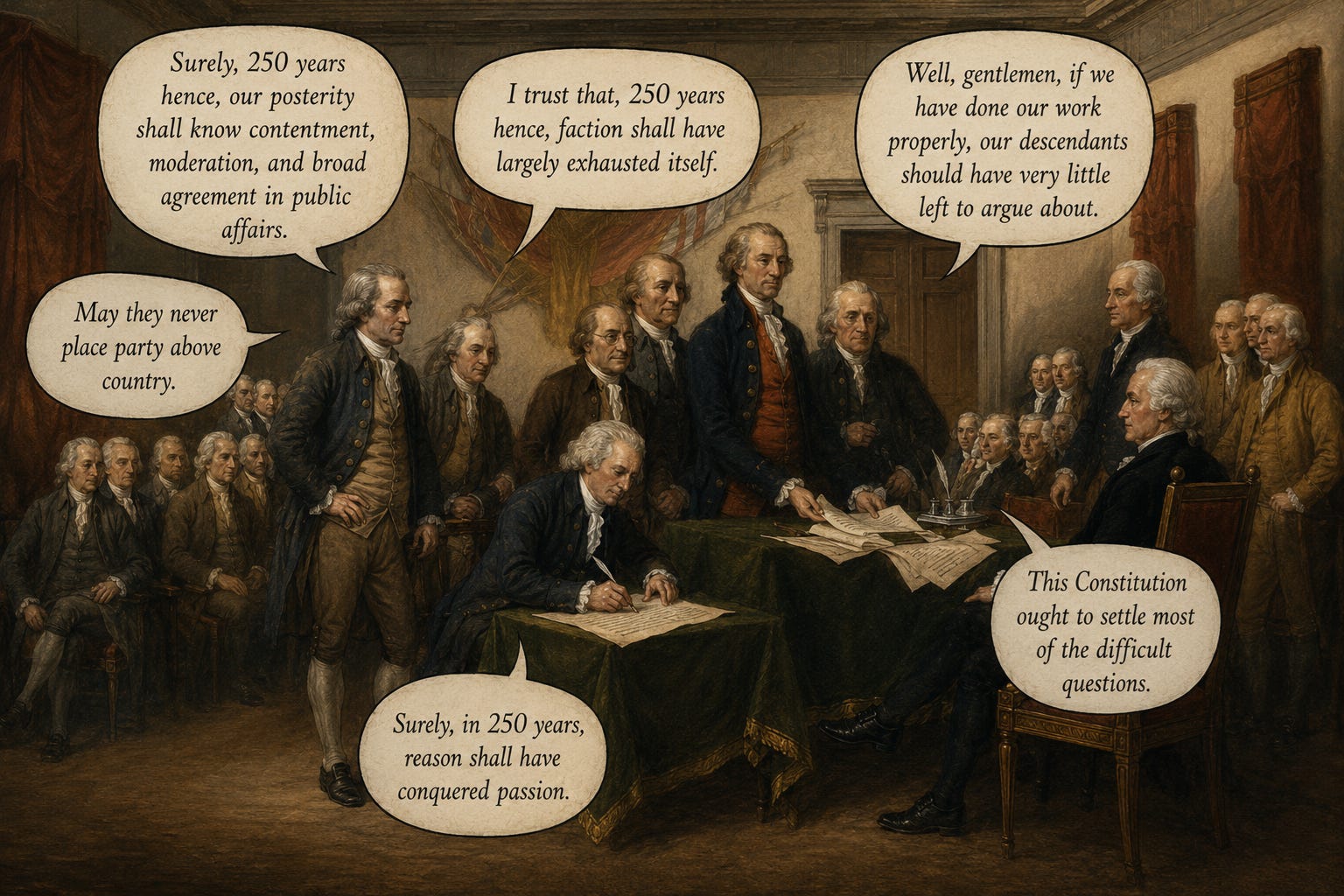
On this Fourth of July, as America marks the 250th anniversary of its founding, we’ve assembled a selection of AQL’s coverage of the United States — its extraordinary strengths, its profound flaws, and the questions that will shape its future.
We lead with yesterday’s essay examining one of history’s great paradoxes: how the most successful country the world has ever known by almost any defensible measure can reach its quarter-millennium in such a moment of uncertainty, polarization, and national anxiety. And to mark this remarkable anniversary, we’re also offering 25% off on AQL subscriptions through next week. If you’ve been thinking about joining, we hope you’ll take the opportunity. Nearly all of the essays in the collection below — and almost all of our archive — are reserved for subscribers, whose support makes this kind of independent journalism possible.
Sadly, the US is currently saddled with a leadership that is hostile to the ideals upon which the country was established, and whose tagline, as I noted in a TV interview today (below), might fairly be Make America Small Again.
But at AQL, our conclusion may surprise some readers. We believe America’s current turmoil may ultimately prove to be a source of renewal rather than decline. And there is much to renew: the collection addresses monumental problems on guns, healthcare, higher education, immitation, radicalization, corruption, justice and more. Readers will notice that much of the coverage has been sharply critical of American politics — and particularly of Trump, whose singular demeaning of public life has demanded sustained attention. We make no apology for that. Journalism has an obligation to describe reality as it is.
We remain fundamentally optimistic about the American experiment. Things seem stuck now, but the United States has repeatedly demonstrated an extraordinary capacity for self-correction. While today’s political climate, on social media and in general, rewards ideological extremes, we continue to believe that America’s broad, pragmatic center will ultimately reassert itself. New political alignments are likely to emerge, as we argue in our essay on building a viable centrist third party. We hope you’ll spend some time exploring the collection. It reflects our conviction that patriotism means caring enough about a country to examine it honestly.
If you enjoy what you read and believe there’s still a place for serious independent journalism, join us as a paid subscriber. Your subscription doesn’t simply unlock the archive — it helps make future work (and commissioning) possible. And it costs less than a few beers a month — or, in parts of the United States such as New York, where my daughter lives, less than a coffee. (Wow.)
So to all who are celebrating — and really, all lovers of freedom in the world should — we wish you a happy Fourth!
America at 250
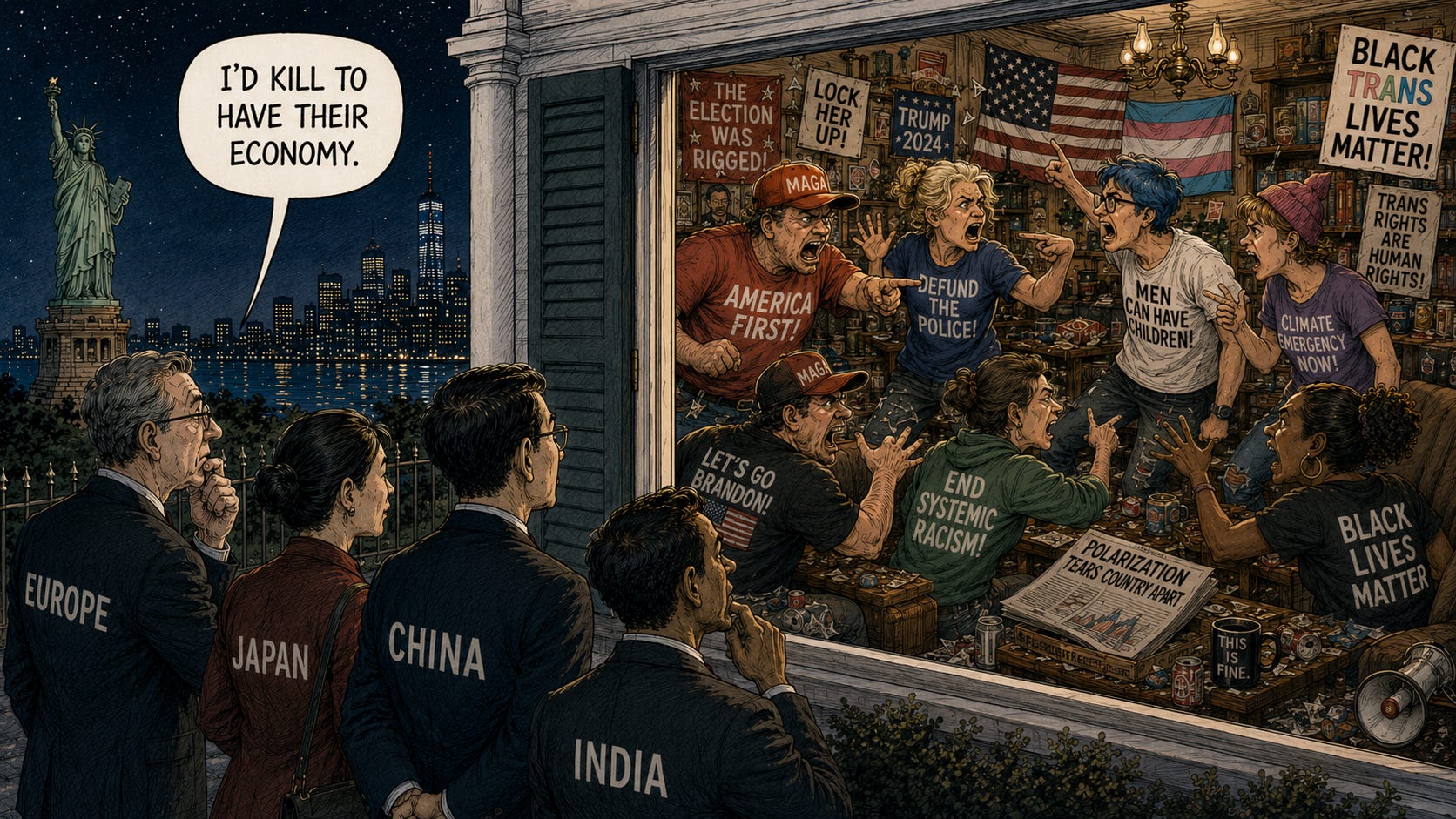
America’s 250th birthday exposes a paradox: the US remains unmatched in wealth, military power, innovation, universities and culture, yet is deeply anxious, unequal and politically broken. America proved liberty, democracy, markets and civic identity can work, but also revealed their limits: inequality, polarization, disinformation and constitutional rigidity now threaten reform, representation and national cohesion. In the end, you get what you pay for, and what you deserve.
America Can Create a Workable Third Party. Here’s How.

The United States needs a viable centrist third party because neither Republicans nor Democrats adequately represent the broad political middle. Such a party should be built from the top down, with moderate elected officials from both parties defecting together under strong organizational and financial backing rather than through a grassroots movement. A credible centrist alternative can break America’s cycle of polarization and institutional dysfunction.
No Reasonable Doubt: America’s Politicized Death Penalty
The American death penalty is fundamentally incompatible with a justice system that cannot eliminate wrongful convictions. Using the execution of Cameron Todd Willingham as a case study, we contended that political incentives, procedural barriers, and disregard for evolving scientific evidence create an unacceptable risk of executing innocent people. The US should join other democracies in abolishing capital punishment because irreversible punishment cannot be justified in a fallible legal system.
The US is Shockingly Close to One-Man Rule
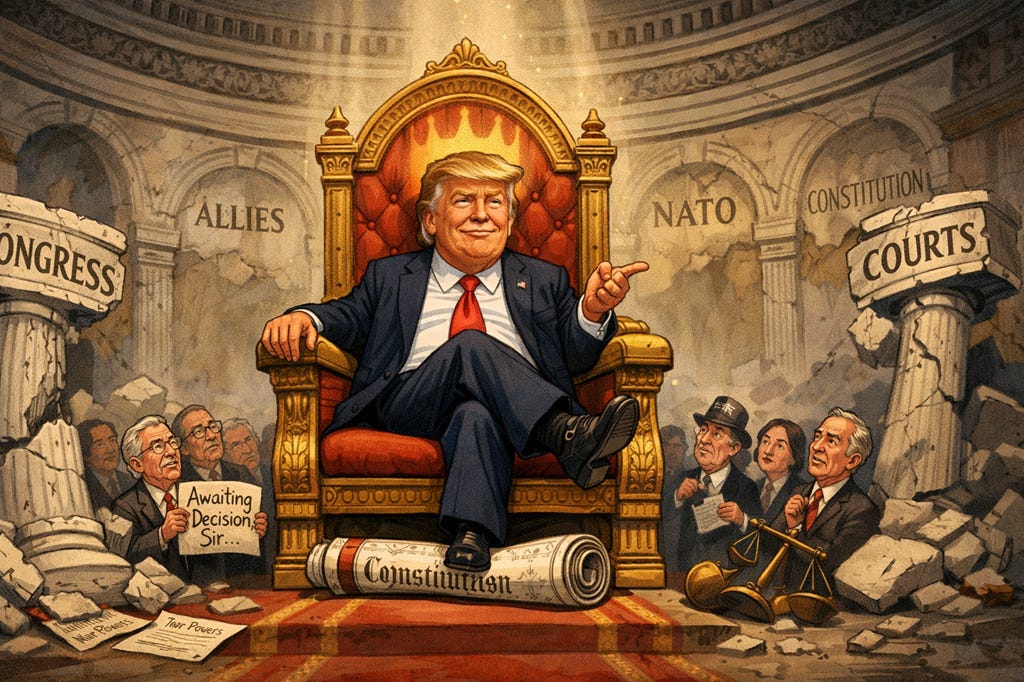
The US is drifting toward one-man rule as executive power expands and the institutions designed to constrain the presidency fail to exercise meaningful oversight. Congress, the courts, political parties, and the media have increasingly enabled the concentration of authority in the White House. Preserving American democracy requires restoring constitutional checks and balances before personalized rule becomes the accepted norm.
The Madness of America’s Gun Laws
The assassination of Charlie Kirk and a nearly simultaneous school shooting underscored America’s uniquely severe gun violence crisis. The country’s exceptionally high rate of firearm deaths stems primarily from the widespread availability of guns rather than from distinctive mental health problems or other commonly cited explanations. Comprehensive national gun-control measures and sustained political pressure can end a cycle of violence unmatched elsewhere in the developed world.
Outdated and Destructive, the Electoral College Makes the US a Joke
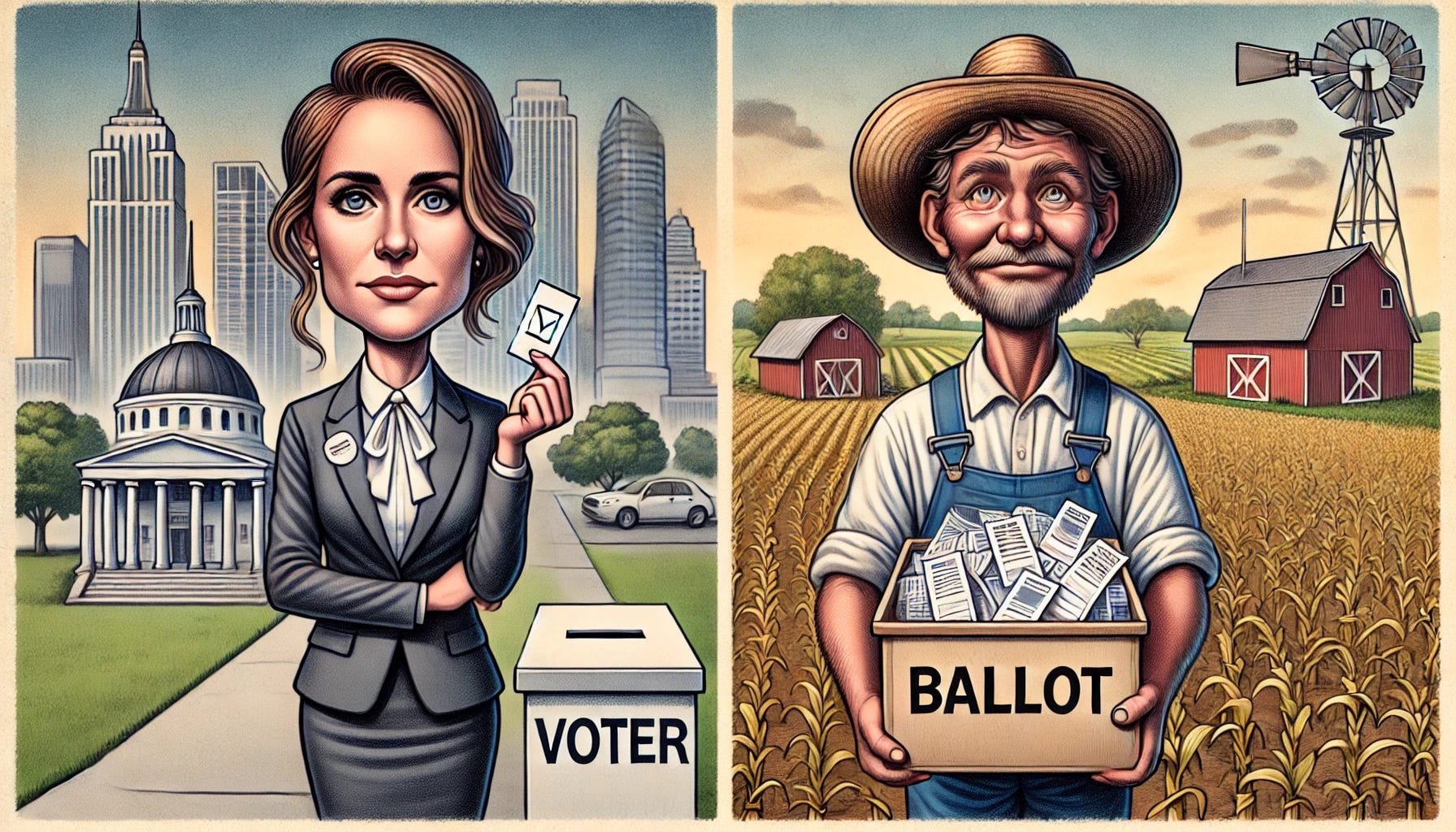
The Electoral College is an outdated institution that distorts democratic representation by allowing presidential candidates to win despite losing the national popular vote and by disproportionately amplifying the influence of smaller states. It’s a system that encourages minority rule and weakens voter participation. The most practical path to reform is the National Popular Vote Interstate Compact, which would effectively establish direct presidential elections without a constitutional amendment.
The End of America’s Well-Intentioned Empire?
Trump represents a fundamental break from the bipartisan post-World War II consensus that American power should uphold democracy, alliances, and a liberal international order. The “America First” foreign policy risks weakening alliances, emboldening authoritarian powers, and reducing US global leadership. This piece, written as Trump won the 2024 election, said that the world must prepare — and alas, it turned out that no preparation could be enough for the lunacy that was to come — from absurd tariff wars to threats to invade Denmark and annex Canada, from a pullout from the World Health Organization to crypto schemes and pay-to-play scames monetizing the president to the tune of billions. The question is whether America is done as a world leader — and we say no.
The War on Truth

AQL produced a five-part series examining how modern authoritarians, including elected ones like Trump, wage a “war on truth” by weaponizing misinformation and undermining democratic institutions. The series explored five recurring tactics: aggressively presented falsehoods, attacks on expertise, claims of political “witch hunts,” vilification of the independent media, and manipulation through social media algorithms. The concluding essay argued that these strategies work together to erode objective reality and democratic accountability, and urged readers to recognize and resist them.
America’s Healthcare is Needlessly Broken

The US healthcare system is unnecessarily expensive and inefficient despite having world-class doctors and medical research — which reflects in the embarrassing life expectancy and other metrics. Reliance on private insurance, employer-based coverage, and political opposition to universal healthcare leaves millions uninsured or unable to afford care. Comparing the US with other developed nations, we advocated expanding guaranteed health insurance to improve public health, reduce costs, and better align with global standards.
The Age of Shamelessness
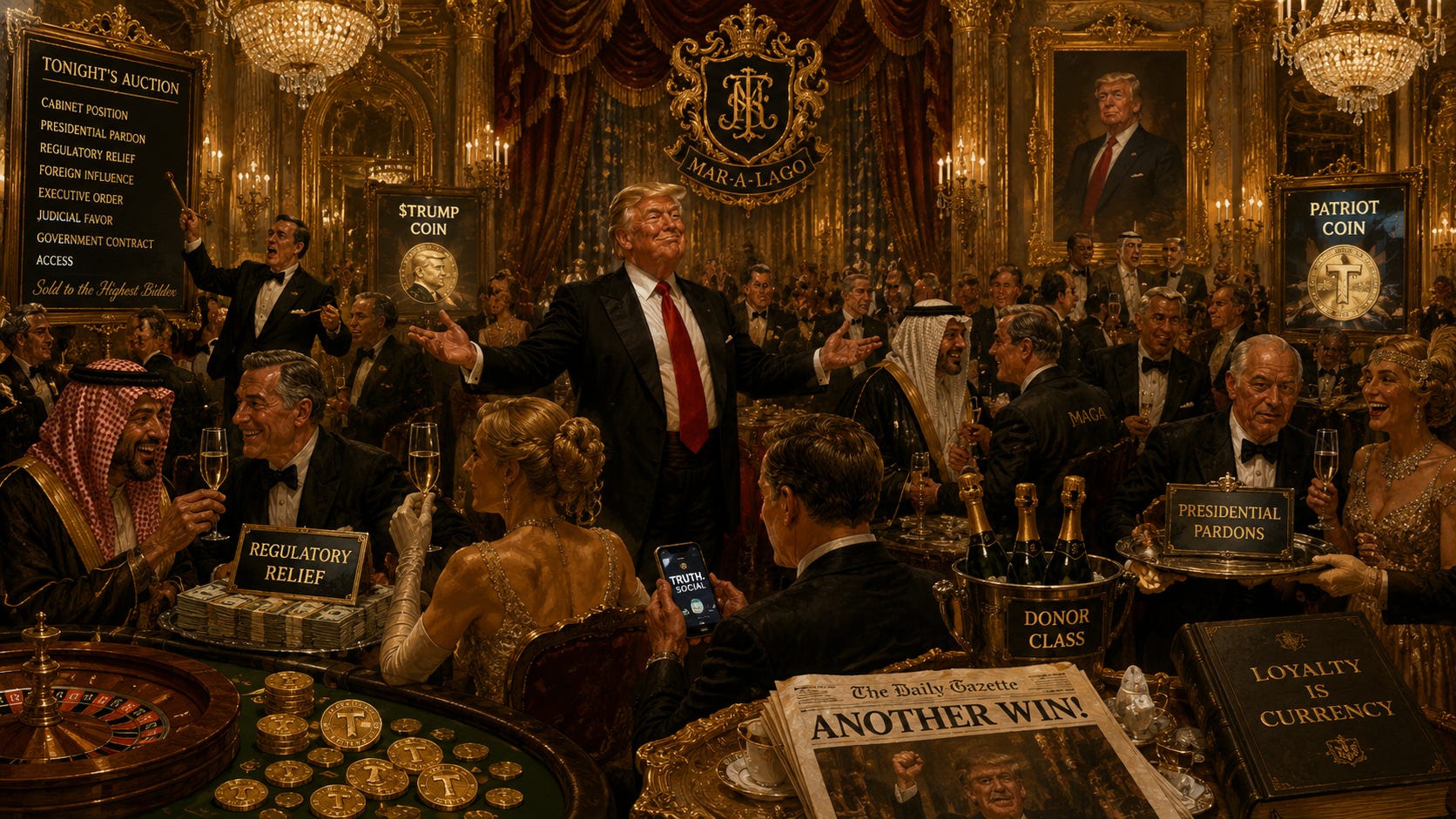
AQL argued that the US has entered an “age of shamelessness” in which conflicts of interest, patronage, and personal enrichment are conducted in the open rather than concealed. This vulgar transactional politics weakens democratic accountability and erodes public trust in government — and poses its greatest danger not when hidden but when people cease to regard it as exceptional.
Separated By a Common Language

American and British English differ not only in vocabulary and spelling but in style, humor, and cultural sensibility. Drawing on personal experiences living in Britain, Dan Perry contended that British speech is marked by irony, understatement, and verbal wit that shape everyday interactions in ways unfamiliar to Americans. Despite globalization and growing linguistic convergence, the distinctive character of each variant remains an enduring and endearing feature of the transatlantic relationship.
Separated By Lack of a Common Language
In the wake of the controversy over bad Bunny’s Spanish-language Super Bowl halftime show, we argued that the United States should value bilingualism while ensuring English remains a shared national language. Bilingual citizens should also achieve native-level English proficiency, as having a common language strengthens social cohesion without requiring cultural assimilation.
The Unraveling of Shared American Culture
The short-lived suspension of Jimmy Kimmel symbolizes a broader decline in America's shared culture and growing threats to media independence. Political pressure and FCC threats pushed Disney-ABC to suspend Kimmel after he criticized President Trump — a warning sign about democratic erosion, increased self-censorship, and the breakdown of common national media spaces.
The Great American University Crisis

Soaring US university costs have turned higher education into an unsustainable financial burden, leaving many graduates with crushing debt. We compared the United States with countries where elite universities are far cheaper or free, arguing that affordable education is essential for economic opportunity and social stability. It should not be the domain of the rich.
Laws Without Morality are Useless

In a disgraceful moment, the heads of elite universities refused to clearly condemn calls for genocide against Jews. Free speech matters, but institutions also need moral judgment: laws and codes are useless when leaders lack courage to denounce obvious bigotry.
The US is Forgetting the Lessons of Pearl Harbor
On the anniversary of the Japanese attack on Pearl Harbor, we argued the lessons remain relevant: US security depends on alliances, international engagement, and a stable liberal world order rather than isolationism. The Trump administration’s national security strategy (issued that month, Dec. 2025) abandons these postwar principles by treating allies as adversaries and embracing nationalism over strategic cooperation. This foolishness should be overturned as soon as possible.
The Idiot’s Guide to How Not to Run a Country
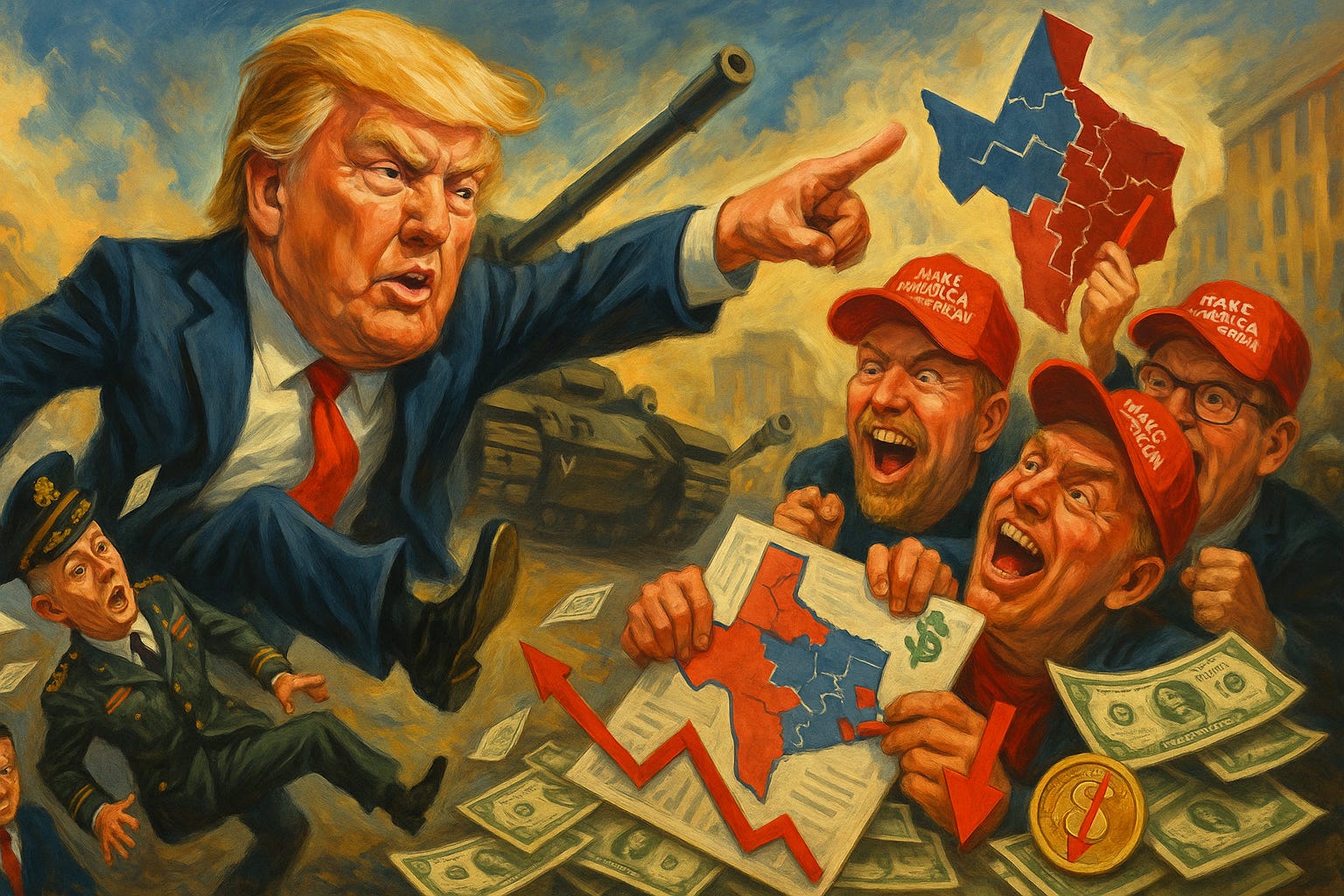
AQL argued that a pattern of attacks on independent institutions — from intelligence agencies and election administration to the Federal Reserve, museums, and local government — verily presented a manual on exactly what not to do in the future. Politicizing expertise, undermining checks and balances, and concentrating executive power weakens both governance and public trust.
Supreme Court Declares that the US is Not a Banana Republic
The Supreme Court’s decision to strike down most of Trump’s obviously illegal tariffs reaffirmed that constitutional limits on executive power still exist, and that the justices showed that they are not total quislings. The ruling was significant not only for trade policy but for preserving something of the rule of law and respect for expertise. The court later also upheld birthright citizenship — but alas, it also caused plenty of other damage. Mostly quislings, it seems.
The Odd Agitation About Immigration

The Democrats have weakened their political position by appearing soft on border security, contributing to Trump’s comeback. So to state what should be obvious: controlling illegal immigration is compatible with humanitarian values and broad public opinion, including among many immigrants. Secure borders are essential for sovereignty and cohesion, and there is nothing racist about that.
The Democrats Must Wake Up About the Woke

The clueless Democrats also shot themselves in the foot by embracing broader aspects of progressivism such as identity politics, cancel culture, gender obssesions and other “wokeness.” While most Americans reject these cultural positions, they broadly support progressive economic policies like expanded healthcare, paid family leave, affordable college, and greater government investment. In the future, unless they love being in the opposition, Democrats should emphasize their popular economic agenda while distancing themselves from divisive cultural issues.
When Immunity Becomes Impunity

The Supreme Court’s presidential immunity ruling fundamentally weakened American democracy by placing presidents above the law and eroding constitutional checks on executive power. The decision encouraged authoritarian tendencies, particularly by shielding official misconduct from prosecution. Congress, the courts, and voters must restore accountability.
A Surreal Encounter with John McCain
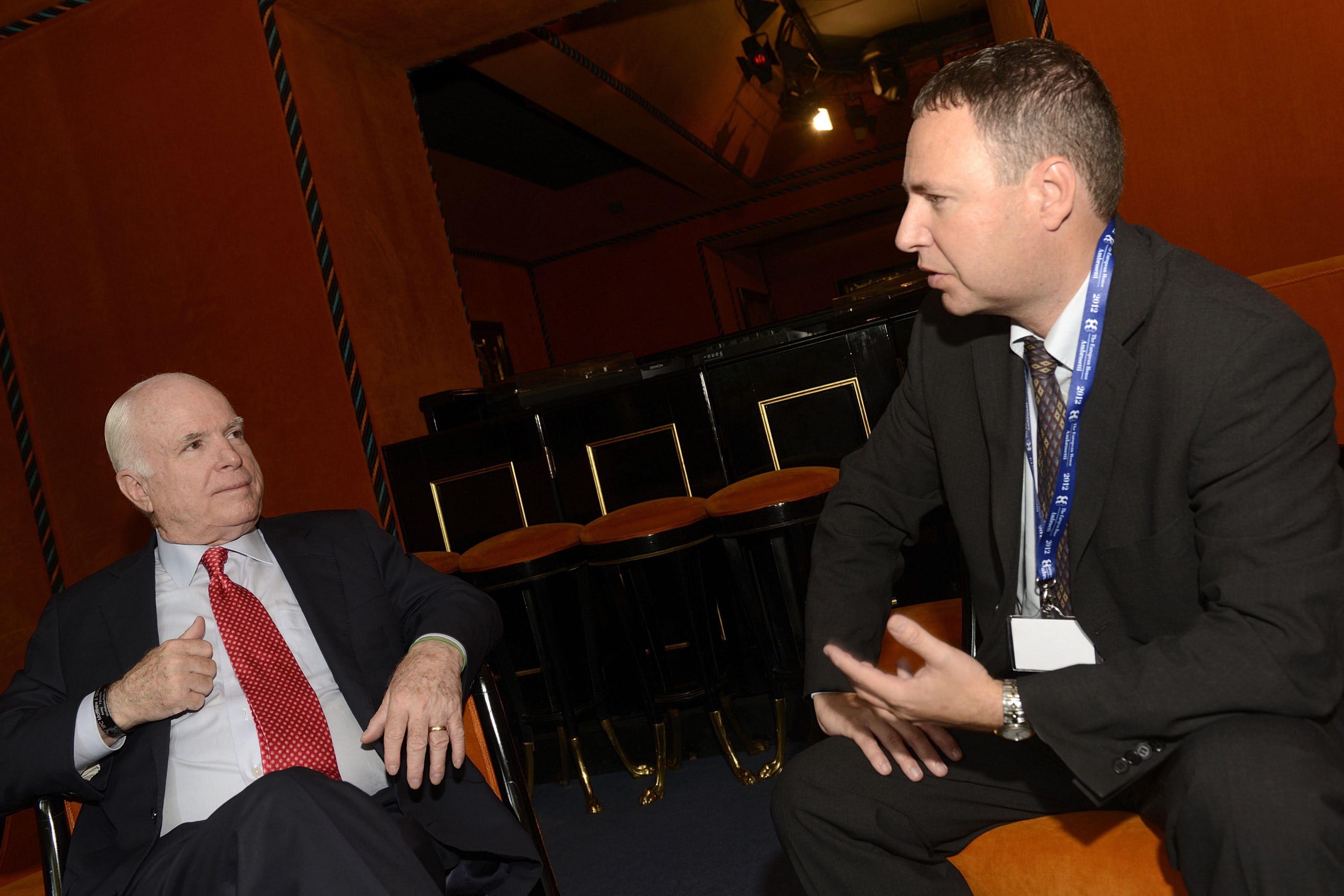
Dan Perry argued that John McCain represented a principled, internationally minded conservatism that might have altered the course of American history had he become president. Drawing on a personal interview, he contended that many of McCain’s warnings on Iraq, Afghanistan, Iran, and the deterioration of American political discourse proved prescient. The piece concluded that McCain’s integrity, independence, and willingness to challenge his own party are deeply missed in today’s polarized political climate.
Gerrymandering is America’s Dumbest Political Tradition
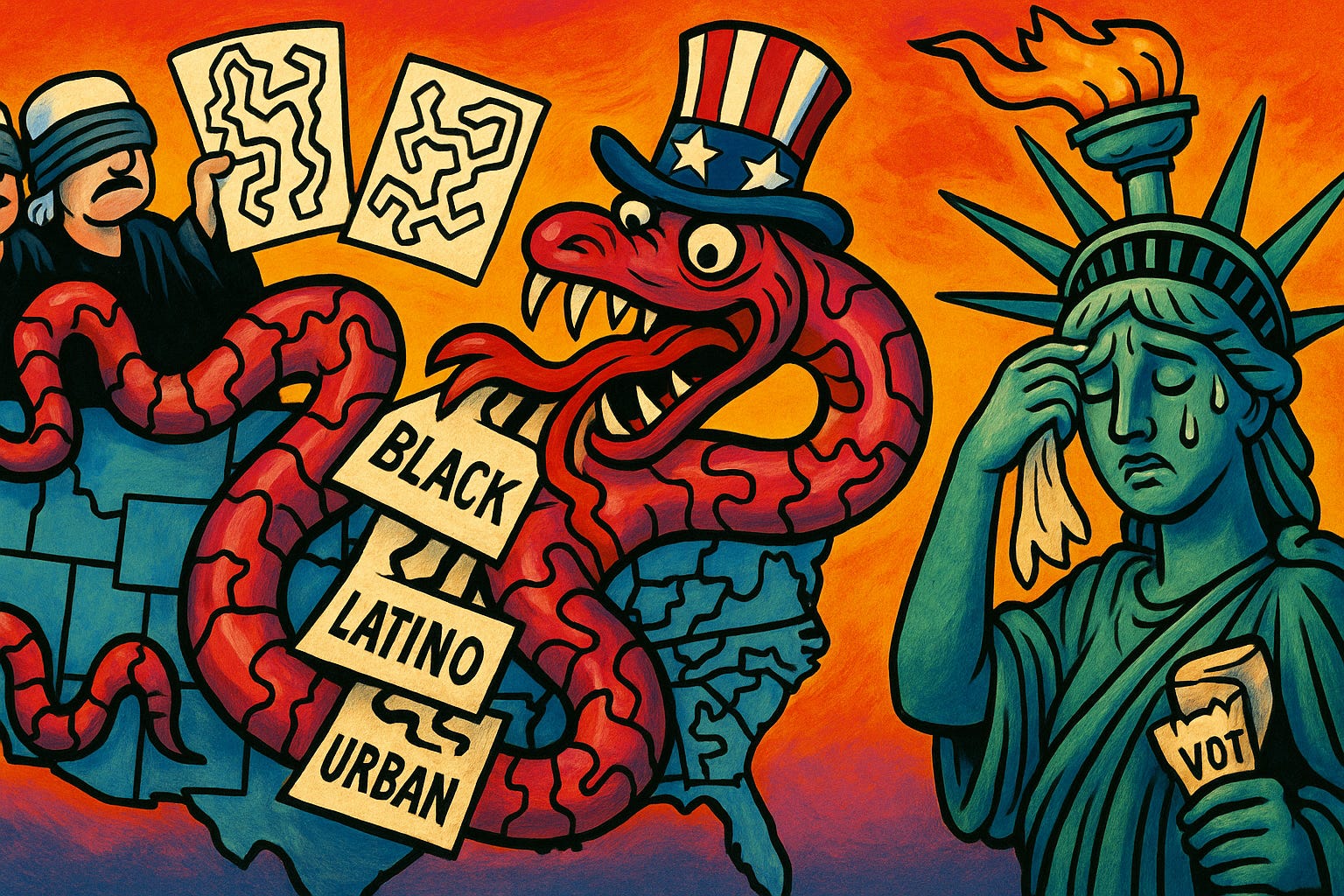
Gerrymandering should be fought like the shameful scourge that it is — onw that, of course, Trump embraces openly and gleefullt. This is one of the greatest structural flaws in American democracy because it allows politicians to manipulate electoral districts to entrench power and weaken accountability. The practice fuels polarization, suppresses fair representation, and distorts majority rule. The US should follow other democracies by adopting independent redistricting commissions and treating partisan gerrymandering as an unacceptable form of election-rigging.
The Republicans Blocked Equal Rights for Women. Really??
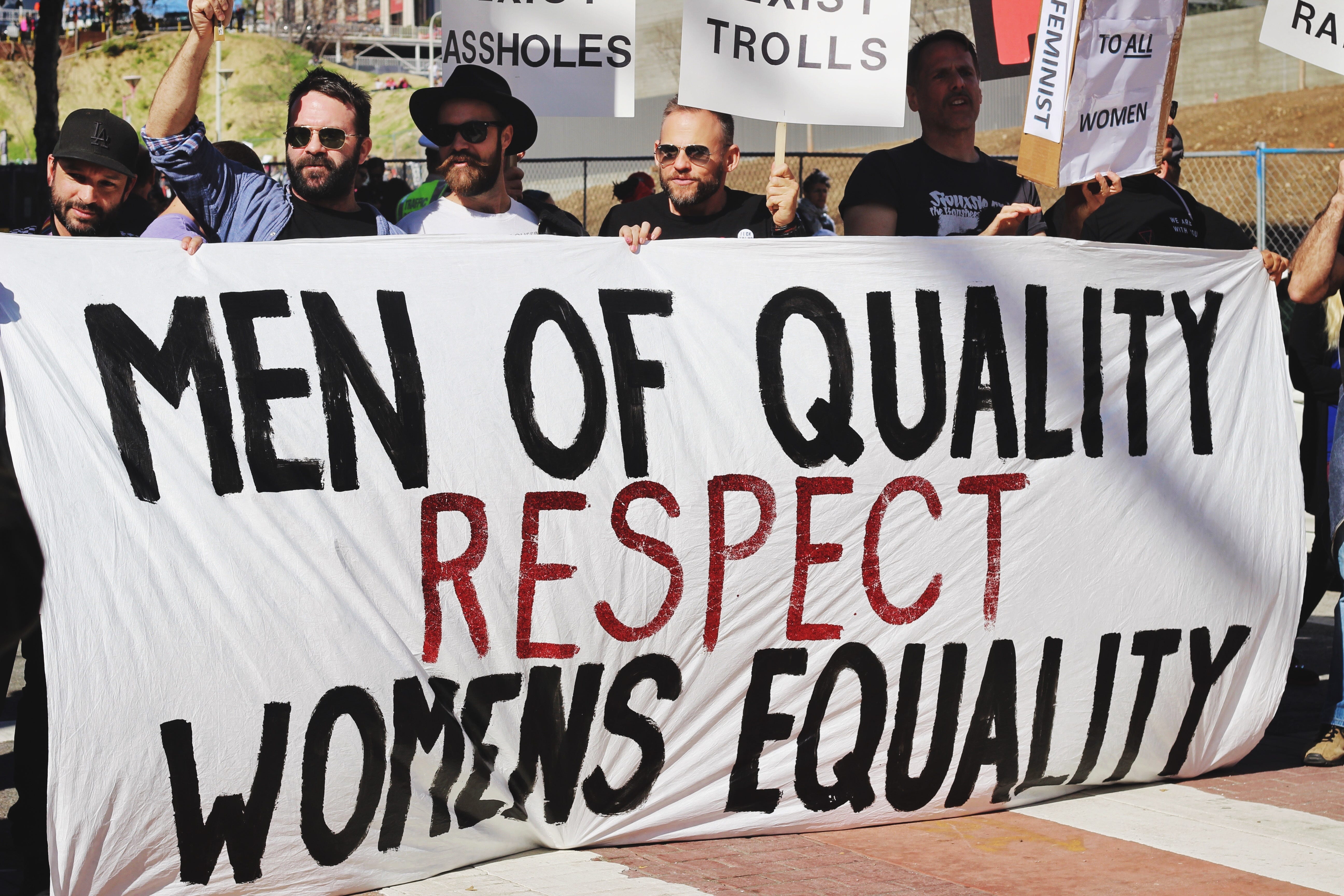
The Republican Party’s opposition to the Equal Rights Amendment reflected a broader pattern of advancing unpopular or ethically questionable positions without facing meaningful political consequences. This lack of accountability explains the party’s willingness to also oppose expanded gun regulation, abortion rights, and constitutional protections against sex discrimination. Conservatives who want a credible center-right party should reject this trajectory before it further undermines both the party and US democracy.
The Last American Colony

Puerto Rico’s status as a US territory without true representation in Washington leaves millions of American citizens effectively disenfranchised, making it effectively America’s last colony. Denying Puerto Ricans the right to vote for president or elect voting members of Congress contradicts core democratic principles. Concluded that Congress should resolve the island’s status —preferably through statehood, as favored in recent referendums — rather than perpetuating an indefensible constitutional and political anomaly.